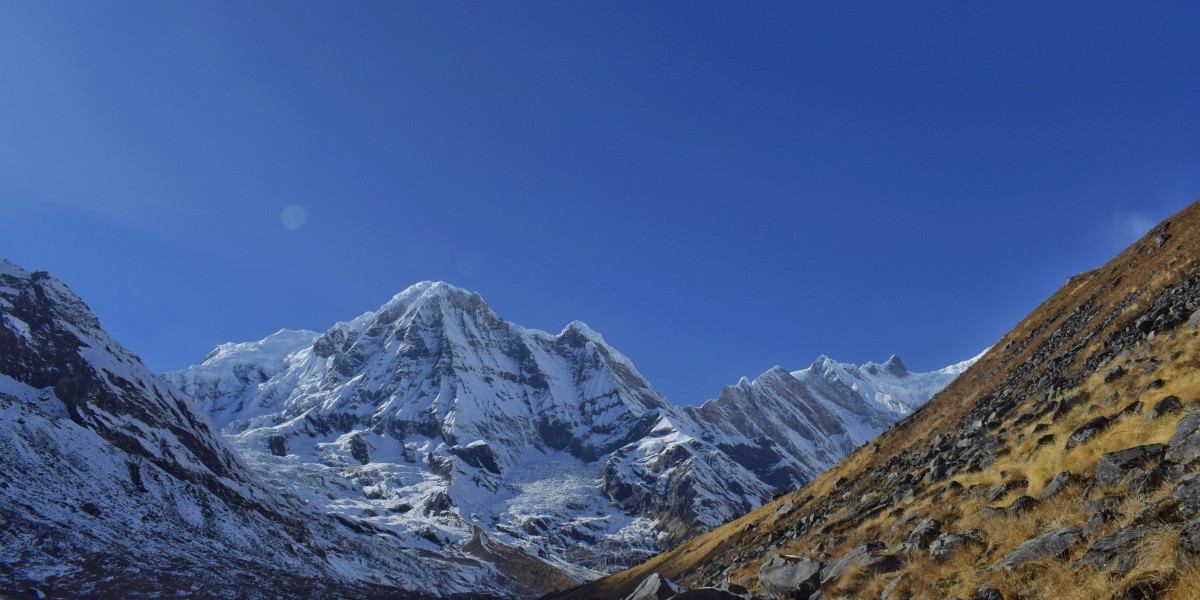

The mountains look peaceful from a distance. Snow-covered peaks shine in the sunlight, and green hills stretch toward the horizon. But every great adventure comes with challenges. The Annapurna Base Camp(ABC) Trek is one of Nepal's most popular trekking routes, attracting thousands of travelers each year. While it is considered a moderate trek, understanding the real risks before you go can make your journey safer and more enjoyable. With proper planning and support from experienced operators like Igloo Himalaya Treks, most trekkers complete the trek successfully and create memories that last a lifetime.
Why the ABC Trek Is So Popular
The Annapurna Base Camp Trek takes you deep into the heart of the Annapurna Sanctuary. Along the way, you walk through charming Gurung villages, dense rhododendron forests, bamboo groves, and beautiful mountain valleys. Every day brings a new landscape and a new view.
Unlike technical mountain climbing, the ABC Trek does not require ropes or mountaineering skills. This makes it accessible to beginners who have a reasonable level of fitness. The trail is well-established, and tea houses provide food and accommodation throughout the journey. Because of these advantages, ABC remains one of Nepal's most visited trekking destinations.
Important Trek Statistics
Before discussing the risks, it helps to understand the basic facts about the trek.
The average Annapurna Base Camp Trek lasts between 7 and 12 days, depending on the itinerary and starting point. The total trekking distance generally ranges from 70 to 115 kilometers round trip. The maximum elevation reached is 4,130 meters (13,550 feet) at Annapurna Base Camp itself. Trekkers typically walk 5 to 7 hours per day while gaining altitude gradually throughout the journey.
Risk 1: Altitude Sickness
The biggest risk on the ABC Trek is altitude sickness. Although Annapurna Base Camp is lower than Everest Base Camp, the elevation of 4,130 meters is still high enough to affect many people.
Common symptoms include headaches, dizziness, loss of appetite, nausea, and difficulty sleeping. These symptoms often appear when trekkers gain altitude too quickly. The good news is that serious cases are uncommon when proper acclimatization practices are followed.
The best way to reduce the risk is to walk slowly, drink plenty of water, avoid alcohol, and listen to your body. If symptoms become severe, descending to a lower altitude is the safest solution.
Risk 2: Long Days of Walking
Many people underestimate how physically demanding the trek can be. The daily distances may not seem extreme, but the trail includes thousands of stone steps, steep climbs, and long descents.
The section around Chhomrong is especially famous for its endless staircases. Walking uphill for several hours can be tiring even for active travelers. Sore muscles, blisters, and fatigue are common challenges.
Preparing with regular walking, hiking, and basic cardio exercises before your trip can make a significant difference. Comfortable trekking boots and proper pacing are equally important.
Risk 3: Weather Changes
Mountain weather can change quickly. A clear morning can become cloudy by afternoon, and rain or snow may arrive unexpectedly.
During the monsoon season, trails can become slippery and muddy. In winter, snowfall may create difficult walking conditions in higher sections of the route. Poor weather can also affect transportation to and from the trekking area.
Checking weather forecasts and trekking during the recommended spring and autumn seasons helps reduce these risks. Packing waterproof clothing and warm layers is always a smart decision.
Risk 4: Landslides and Avalanches
Natural hazards are present in any mountain environment. Certain sections of the ABC Trek pass through areas that may be affected by landslides during heavy rainfall. Avalanche-prone zones can also exist in higher sections, especially after significant snowfall.
Local authorities and experienced guides monitor trail conditions closely. Following their advice and avoiding risky shortcuts greatly improves safety. Most trekkers who travel during suitable seasons experience no problems, but awareness remains important.
Risk 5: Overconfidence
One of the most overlooked risks is overconfidence. Some trekkers assume that because ABC is considered a moderate trek, preparation is unnecessary.
In reality, proper planning is essential. Carrying the right gear, maintaining a reasonable pace, staying hydrated, and respecting mountain conditions all contribute to a successful trek. Many challenges arise not because the trail is dangerous, but because trekkers underestimate it.
A positive attitude combined with realistic expectations creates the best experience.
How Igloo Himalaya Treks Helps Reduce Trekking Risks
Choosing the right trekking company can significantly improve both safety and comfort. Igloo Himalaya Treks provides experienced local guides who understand the route, weather conditions, and altitude-related challenges. Their services include itinerary planning, permit arrangements, transportation coordination, accommodation booking, porter support, and on-trail assistance.
Having knowledgeable guides allows trekkers to focus on enjoying the scenery while receiving expert advice throughout the journey. Professional support becomes especially valuable when dealing with altitude concerns, changing weather, or unexpected situations on the trail.
Final Thoughts
The Annapurna Base Camp Trek is not a dangerous expedition, but it is a real mountain adventure that deserves respect. Altitude sickness, long walking days, changing weather, and natural mountain hazards are the primary risks trekkers should understand before setting out. Fortunately, these risks can be greatly reduced through preparation, proper pacing, and informed decision-making.
For most travelers, the rewards far outweigh the challenges. Standing at Annapurna Base Camp surrounded by towering Himalayan peaks is an experience few people ever forget. With careful planning and the support of Igloo Himalaya Treks, you can approach the trek with confidence and enjoy one of Nepal's most remarkable adventures safely and successfully.