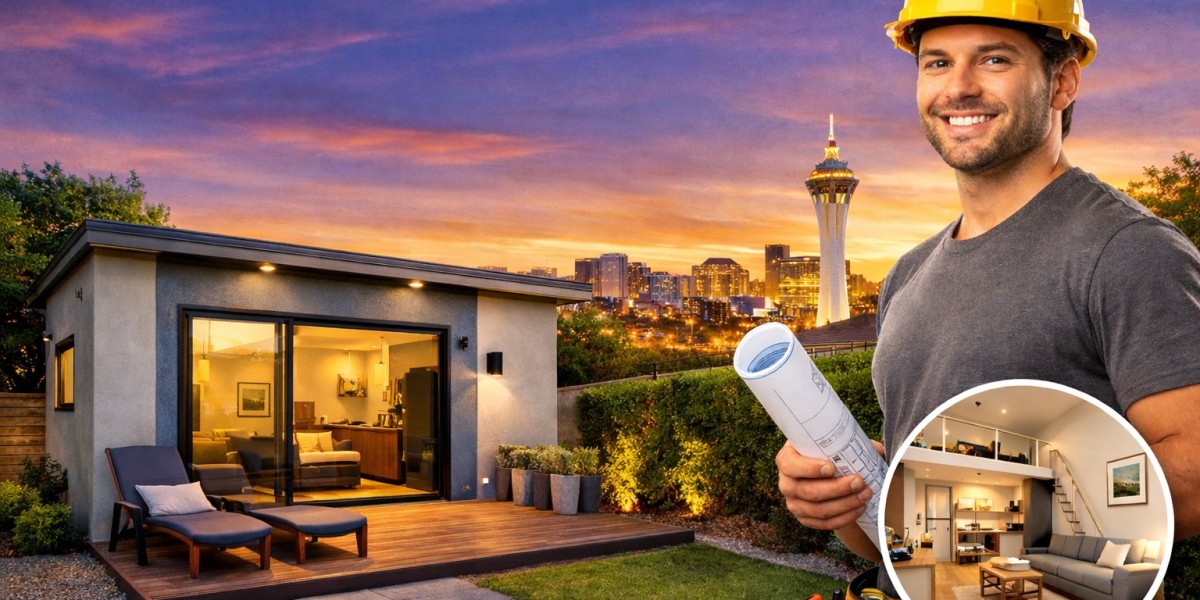

The idea of owning a peaceful retreat away from the chaos of city life has become increasingly appealing in recent years. Across Pakistan, farmhouses are no longer just weekend getaways. They are evolving into thoughtfully designed lifestyle spaces that combine comfort, nature, and architectural excellence. When exploring options for rural living or investment, many people turn to expert insights on Farmhouse construction and design Pakistan to understand how to transform raw land into a refined and functional space.
This shift reflects a broader change in how people define luxury. It is no longer about crowded urban spaces but about privacy, greenery, and intentional design that complements the natural surroundings.
Understanding the Rise of Farmhouse Living
Farmhouses in Pakistan have transitioned from simple agricultural dwellings to premium residential properties. This transformation is driven by changing lifestyle preferences, rising urban stress, and increased awareness of architectural possibilities.
Families now seek spaces where they can relax, host gatherings, and reconnect with nature. Developers and architects have responded by introducing modern layouts, smart space planning, and aesthetically pleasing structures that cater to both comfort and functionality.
The growing demand has also made countryside homes a valuable real estate investment. Areas near major cities like Lahore, Islamabad, and Karachi are witnessing rapid development of farmhouse communities.
Key Elements of a Well Designed Farmhouse
Designing a farmhouse requires a careful balance between aesthetics, practicality, and environmental harmony. Unlike urban houses, these properties must integrate seamlessly with their surroundings.
Site Selection and Orientation
Choosing the right land is the foundation of any successful project. Factors such as soil quality, accessibility, and proximity to the city play a crucial role. Orientation is equally important, as it determines natural light, ventilation, and energy efficiency.
A well-oriented farmhouse maximizes sunlight during winters and minimizes heat during summers, reducing dependency on artificial cooling systems.
Architectural Style and Layout
Modern farmhouses in Pakistan blend traditional elements with contemporary design. Open floor plans, large windows, and spacious verandas are commonly used to create a connection between indoor and outdoor spaces.
The layout should prioritize functionality. Living areas, bedrooms, and outdoor zones must flow naturally, ensuring ease of movement and comfort for residents.
Landscape Integration
A farmhouse is incomplete without a thoughtfully designed landscape. Gardens, lawns, water features, and tree plantations enhance both visual appeal and usability.
Native plants are often preferred because they require less maintenance and adapt better to local climate conditions. Proper landscaping also contributes to temperature regulation and improves overall ambiance.
Material Selection
The choice of materials significantly impacts durability and aesthetics. Natural materials such as stone, wood, and brick are widely used to create a rustic yet elegant look.
At the same time, modern construction techniques incorporate concrete, steel, and glass to enhance structural strength and design flexibility. The goal is to strike a balance between tradition and innovation.
Planning for Functionality and Comfort
A farmhouse should not only look beautiful but also provide a high level of comfort and usability. This requires careful planning of interior and exterior spaces.
Indoor Living Spaces
Spacious living rooms, well designed kitchens, and comfortable bedrooms are essential. High ceilings and large windows create an airy environment and allow natural light to flow throughout the house.
Modern interiors often include smart home features, energy efficient lighting, and high quality finishes to enhance the overall living experience.
Outdoor Features
Outdoor spaces are one of the biggest advantages of farmhouse living. Features such as swimming pools, barbecue areas, and outdoor seating zones make these properties ideal for social gatherings.
Many homeowners also include small farming areas, orchards, or vegetable gardens to maintain a connection with nature.
Privacy and Security
Since farmhouses are typically located away from busy urban centers, ensuring security is essential. Boundary walls, surveillance systems, and controlled access points help maintain privacy and safety.
At the same time, the design should not feel restrictive. Open views and natural surroundings should still be preserved.
Sustainable Design Practices
Sustainability is becoming a key consideration in modern farmhouse projects. With increasing awareness of environmental issues, homeowners are adopting eco friendly practices to reduce their carbon footprint.
Energy Efficiency
Solar panels, energy efficient appliances, and proper insulation can significantly reduce energy consumption. Designing for natural ventilation also minimizes the need for air conditioning.
Water Management
Rainwater harvesting systems and efficient irrigation methods help conserve water. This is especially important in areas where water resources are limited.
Eco Friendly Materials
Using locally sourced and sustainable materials reduces environmental impact while supporting local industries. It also ensures that the structure blends naturally with its surroundings.
Cost Considerations and Budget Planning
Building a farmhouse requires a clear understanding of costs involved. These include land acquisition, construction, landscaping, and maintenance.
The total budget can vary depending on location, design complexity, and material choices. It is important to plan realistically and allocate funds for unexpected expenses.
Working with experienced professionals can help optimize costs without compromising on quality. Proper planning ensures that the project stays within budget while achieving the desired outcome.
Common Challenges and How to Overcome Them
While farmhouse projects offer numerous benefits, they also come with certain challenges.
Accessibility Issues
Remote locations may lack proper road access or utilities. This can be addressed by choosing locations with developing infrastructure or investing in basic facilities.
Maintenance Requirements
Large properties require regular maintenance, including landscaping, cleaning, and repairs. Hiring dedicated staff or using low maintenance design solutions can help manage this effectively.
Regulatory Approvals
Construction projects must comply with local regulations and zoning laws. Ensuring proper documentation and approvals from relevant authorities is crucial to avoid legal issues.
The Role of Professional Expertise
Designing and building a farmhouse is a complex process that requires technical knowledge and creative vision. Architects, engineers, and designers play a vital role in bringing ideas to life.
Professional guidance ensures that every aspect of the project, from structural integrity to aesthetic appeal, is handled efficiently. It also helps avoid costly mistakes and delays.
Collaborating with experts allows homeowners to achieve a cohesive design that reflects their lifestyle and preferences.
Future Trends in Farmhouse Development
The future of farmhouse living in Pakistan looks promising. Emerging trends indicate a shift towards smarter, more sustainable, and highly personalized designs.
Technology integration, eco friendly construction, and wellness focused spaces are becoming increasingly popular. Homeowners are seeking properties that not only offer comfort but also promote a healthier and more balanced lifestyle.
As demand continues to grow, farmhouse communities are expected to become more organized, offering shared amenities and improved infrastructure.
Conclusion
Farmhouse living represents a perfect blend of luxury, nature, and thoughtful design. It offers an escape from urban stress while providing a space that reflects personal style and comfort.
From site selection to final construction, every step requires careful planning and attention to detail. By focusing on functionality, sustainability, and aesthetics, homeowners can create a space that stands the test of time.
Frequently Asked Questions
What is the ideal size for a farmhouse in Pakistan
The ideal size depends on personal preferences and land availability. However, most farmhouses are built on one kanal or larger plots to allow sufficient outdoor space.
How long does it take to construct a farmhouse
Construction time can vary based on design complexity and resources, but most projects take between six months to one year.
Is farmhouse living suitable for permanent residence
Yes, many modern farmhouses are designed for year round living with all necessary facilities and infrastructure.
What are the main cost factors in farmhouse construction
Key factors include land price, design complexity, materials, labor, and additional features such as landscaping and outdoor amenities.
How can I make my farmhouse more sustainable
You can incorporate solar energy, water conservation systems, and eco friendly materials to reduce environmental impact and improve efficiency.